

Why Tennis Scoring Goes 15, 30, 40
Tennis scoring moved from medieval court traditions into modern tennis, leaving 15, 30, and 40 as the sport’s most famous scoring mystery today still.
Tennis scoring moved from medieval court traditions into modern tennis, leaving 15, 30, and 40 as the sport’s most famous scoring mystery today still.

Why tennis has love is rooted in the sport’s old scoring language, where zero became love through tradition, disputed etymology, habit, and history…

Suzanne Lenglen turned tennis into celebrity theater, blending dominance, fashion, and spectacle before sports stardom became a global stage for fans.
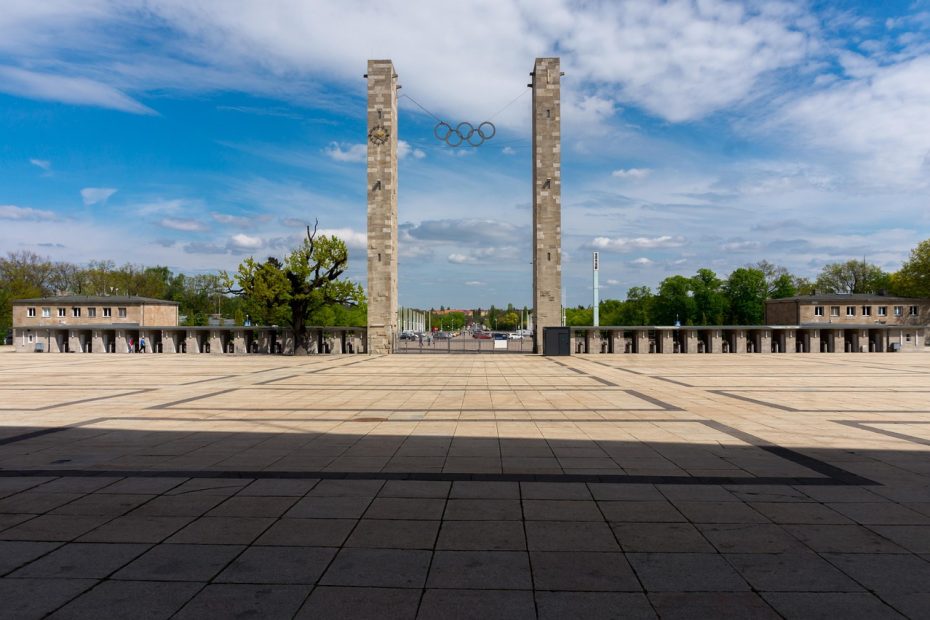
Olympic tennis became important again when top stars turned medals into legacy, bringing national pride back to an individual sport.

The Davis Cup turned tennis into a national-team event, giving an individual sport one of its oldest and most emotional traditions.

Tiebreak history explains how tennis solved endless sets, turning marathon matches into controlled pressure without losing the sport’s drama for good.

Carpet courts once made indoor tennis fast, sharp, unpredictable, before shifting tour priorities slowly pushed that surface out of elite tennis play.

Hard courts taking over tennis reshaped the modern game, rewarding baseline power, durability, and year-round consistency across the tour.

The grass-court serve-and-volley era shaped Wimbledon, rewarded net rushers, and left a tactical legacy still visible in tennis today.

The Open Era begins when tennis finally joins its amateur and professional worlds, reshaping records, prize money, majors, and the sport’s future now.