

Curaçao Tennis
Curaçao’s tennis identity is shaped by island development, Caribbean competition, and the elite doubles legacy of Jean-Julien Rojer.
Curaçao’s tennis identity is shaped by island development, Caribbean competition, and the elite doubles legacy of Jean-Julien Rojer.

René Lacoste and the Crocodile links a French tennis champion’s fierce nickname to a logo that turned sportswear into global style history forever….
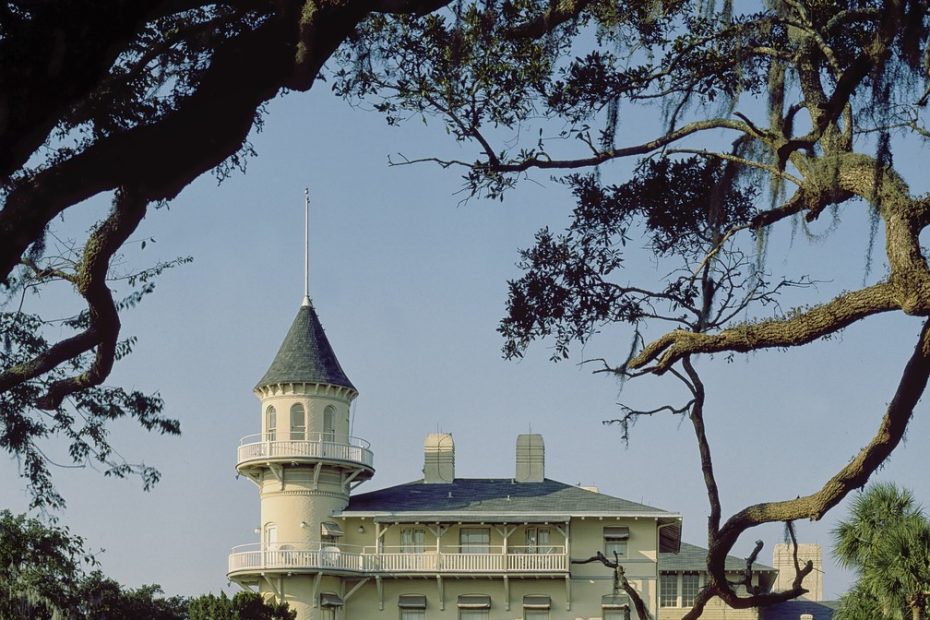
Fred Perry and tennis class identity explains why Britain’s Wimbledon champion never fully fit the clubby world he conquered.
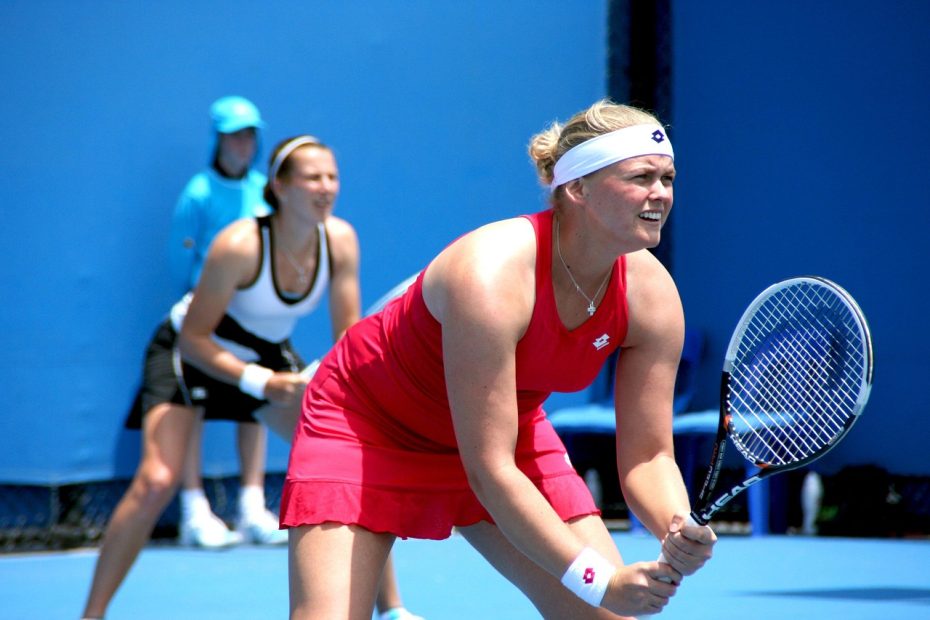
The Davis Cup’s format wars show how tennis tried to modernize its oldest team event without losing the home-and-away soul that always made it matter.

Fed Cup / Billie Jean King Cup evolution follows women’s team tennis from a 1963 ITF event to a global competition named for Billie Jean King at last.

Serbia’s tennis golden era turned a small nation into a global power through Djokovic, Ivanovic, Jankovic, Davis Cup glory, and belief on big stages!
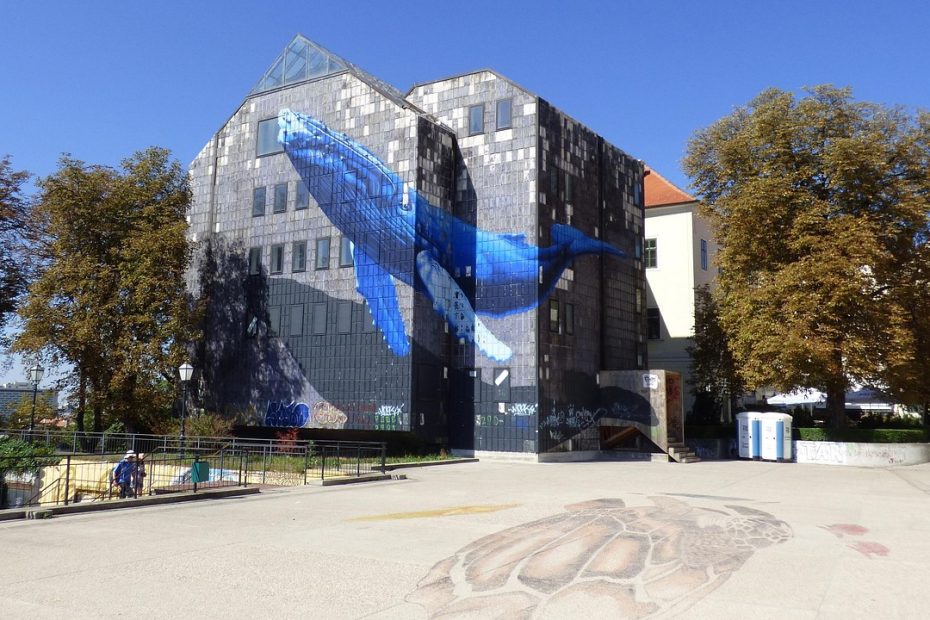
Croatia’s tennis pipeline turned a small coastal nation into a steady source of Grand Slam champions, Davis Cup winners, and elite tour servers today.

Spain’s clay-court system built generations of patient, physical players who turned long rallies into a national tennis identity across the sport now.
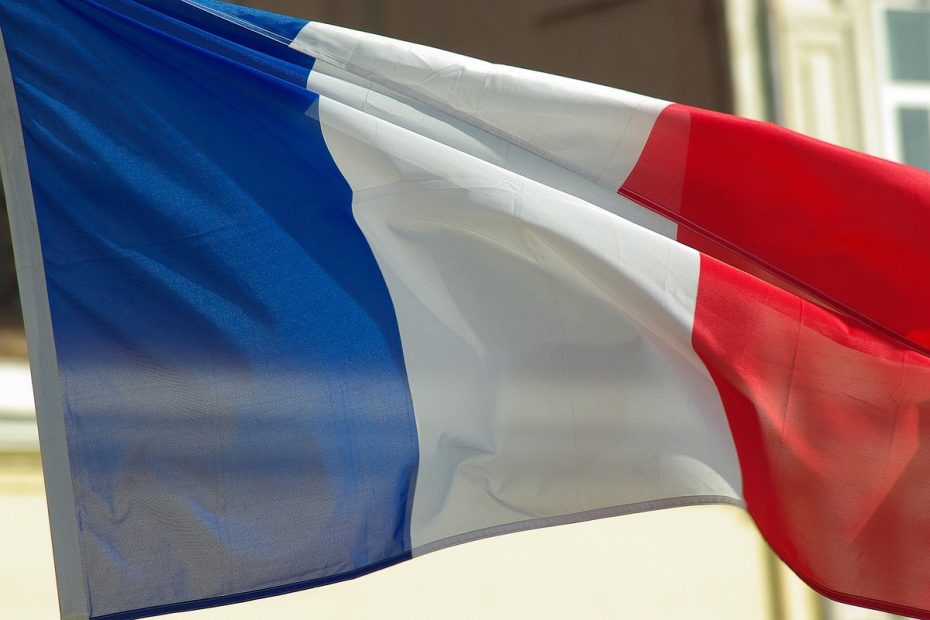
France keeps producing deep tennis talent, but its long wait for another Grand Slam singles champion remains one of the sport’s strangest gaps.
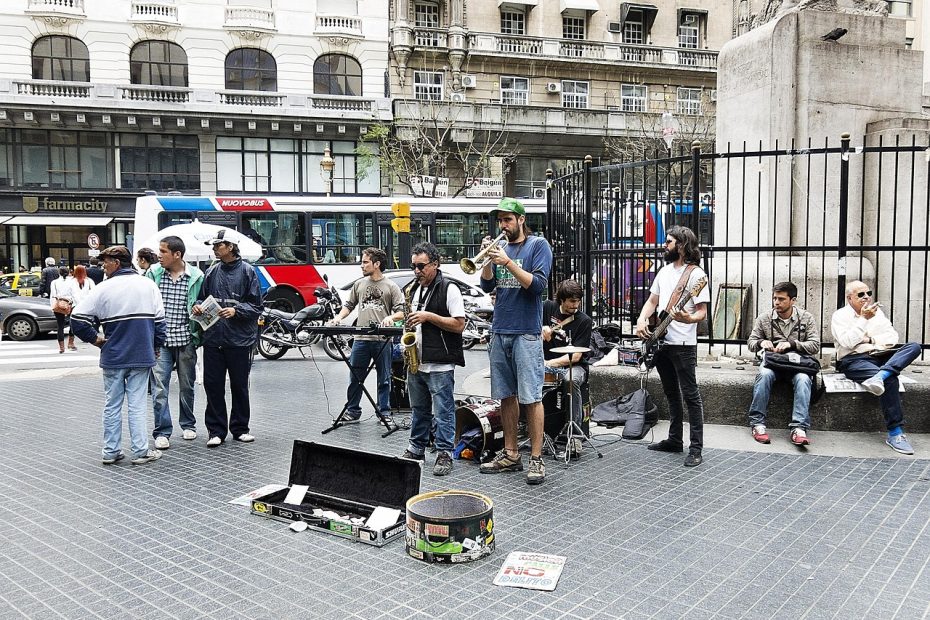
Argentina’s clay-court tennis culture shaped generations of champions through patience, endurance, topspin, and national identity.

Guillermo Vilas and the ranking controversy still matter because his 1977 season exposed how tennis once measured greatness unevenly in public debate.
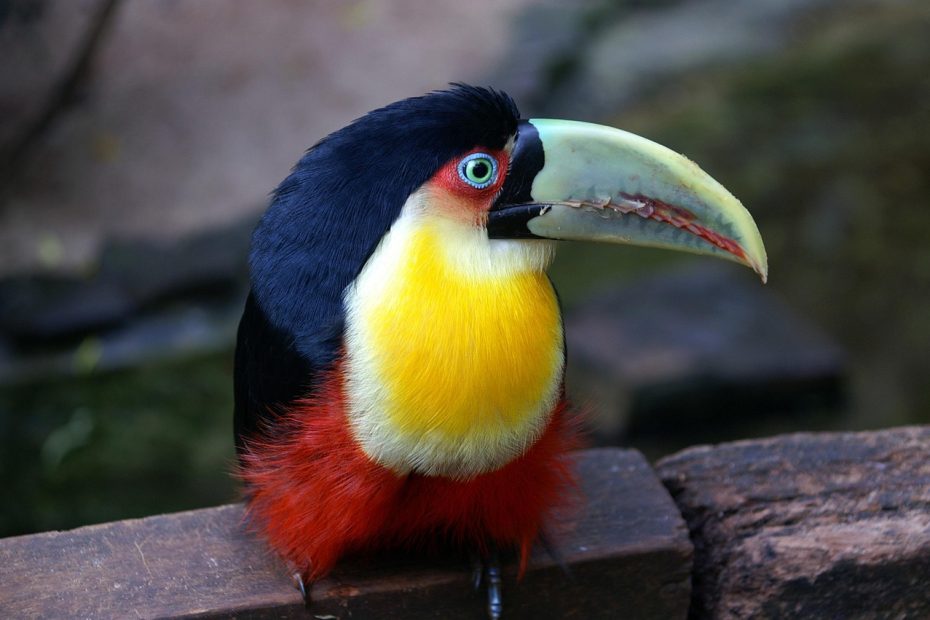
Gustavo Kuerten made Roland-Garros Brazil’s tennis miracle, rising from No. 66 outsider to a three-time champion and enduring Brazilian hero in Paris.